How Do Porta Potties Work?
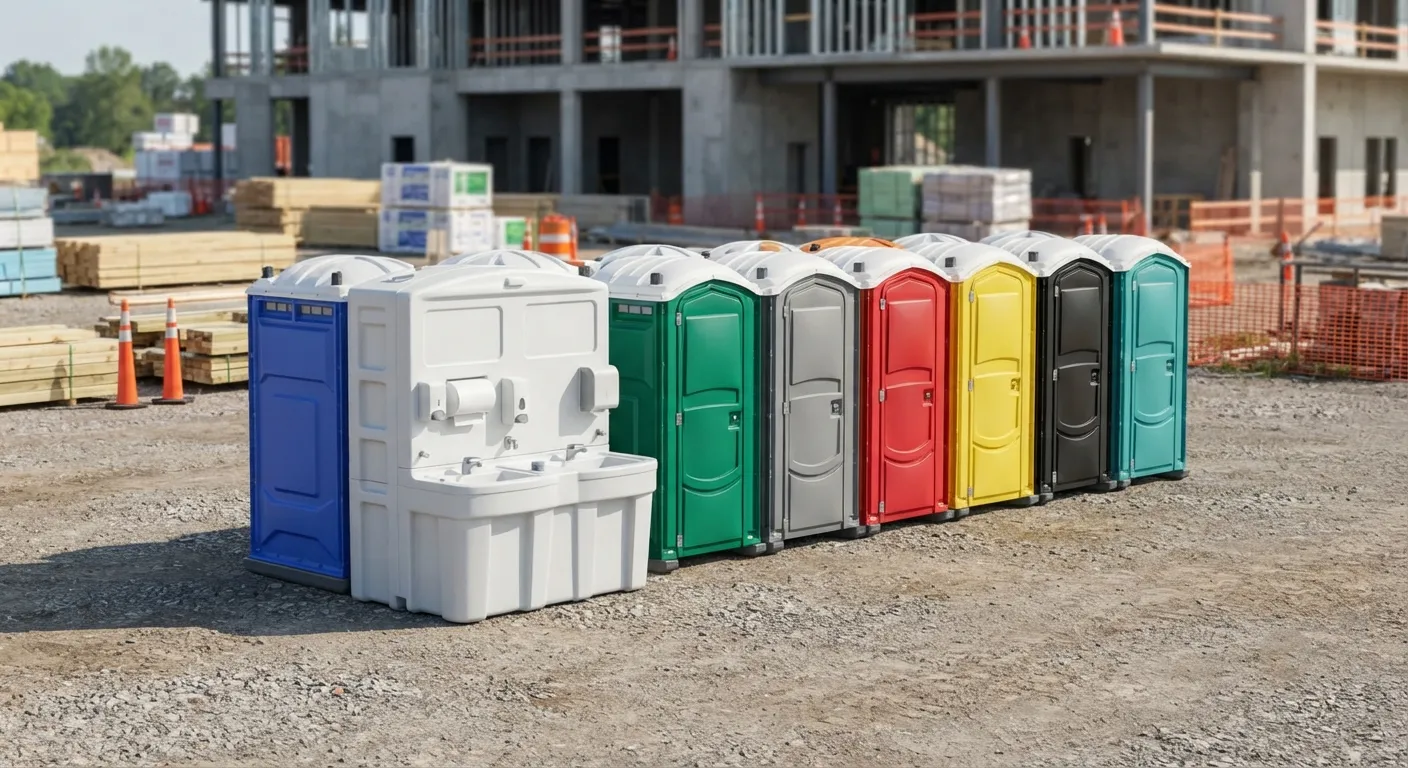
The unit is a sealed box over a holding tank. When someone uses it, waste drops straight into the tank, where a chemical solution, usually a blue deodorizer with surfactants, breaks down solids and knocks down smell. No water, no flush, no pipe to a sewer line. A standard porta potty rental in Conway runs about 44 by 48 inches on the ground and stands roughly 92 inches tall, which is why placement on a jobsite or in a backyard takes some planning. Once the tank fills, Conway Porta Pros vacuums it out through a hose, refills the chemical, and restocks paper. ANSI/PSAI Z4.3, the industry service standard, sets one visit a week as the baseline for up to 10 users over a 40 hour week, though busy sites need more. If you are trying to figure out how many units a crew or event needs, the how many porta potties do I need guide walks through the math. For daily jobsite use near downtown Conway, most crews book a porta john rental or check current porta potty rental cost before committing to a schedule.
How Do Flushable Porta Potties Work?
A flushable unit, often called a deluxe model, adds a small onboard freshwater tank and a foot pump or flush lever that pushes a rinse of water into the bowl after each use, similar to a low-flow toilet. The waste still goes into a holding tank below, just like a standard unit, but the flush cuts down on residue on the bowl walls and makes the unit feel closer to indoor plumbing. A deluxe flushable porta potty in Conway typically rents in the same range as event-grade units and works well for weddings or corporate functions where guests expect more than a bare-bones setup. Some deluxe trailers also include a sink with its own small water tank, which brings up a related question a lot of renters ask.
How Does a Portable Sink Work?
A portable sink runs on two separate onboard tanks, a fresh water supply and a gray water holding tank that catches the used water, so no hookup to a building is needed. A foot pump or hand pump draws water up through the faucet, and soap comes from a built in dispenser. Under 29 CFR 1910.141(d)(2), handwashing setups need soap and towels or a hand drying device, since hand sanitizer alone does not meet that standard. That rule matters most on jobsites where crews are also washing off paints, coatings or chemicals, which is when OSHA 1926.51(f)(1) kicks in specifically for those contaminant tasks. A handwashing station rental or portable sink rental covers both needs, and if you are unsure what your crew is required to have on hand, the handwashing requirements page breaks it down further.
How Do Camping Porta Potties Work?
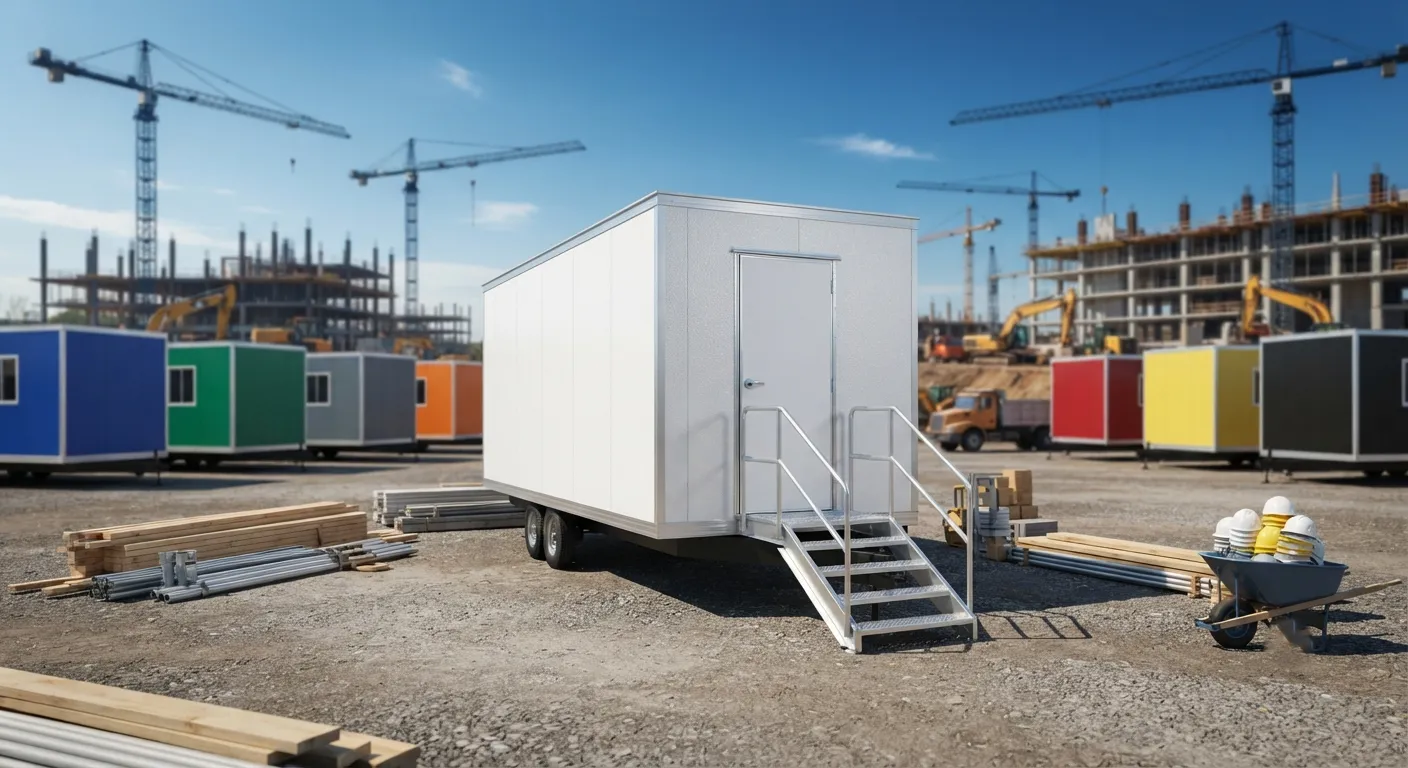
Camping units work the same way as jobsite ones, just smaller and built for lower traffic, usually a single family or small group over a weekend rather than a full crew. The tank still uses a chemical treatment, but campers often choose compact models that are easier to transport and set on uneven ground near a tent site. If you are heading out near the Maumelle area, about 20.6 miles south of Conway, or setting up closer to home, camping porta potty rentals from Conway Porta Pros come pre-serviced and ready to place. For longer stays, ask about swapping to a standard porta potty rental instead, since camping units are not built for extended heavy use.
Do Porta Potties Need a Permit in Conway?
Placement in the public right of way needs confirming with the city, since permit rules vary by location and were not verified for this page. For jobsite counts, OSHA 1926.51(c) sets the ratio: one toilet for 20 workers or fewer, scaling up from there. Check the porta potty permit requirements page or the dumpster permit requirements page if you are renting both for a construction project, and see OSHA portable toilet requirements for the full worker-count table.
Comparing Unit Types
| Unit | Typical Use | Weekly Price Range |
|---|---|---|
| Standard | Jobsite, event | $130 - $500 |
| Deluxe flushable | Wedding, corporate | $150 - $290 |
| ADA accessible | Compliance, events | $120 - $240 |
Pricing depends on duration and delivery distance. A porta potty rental per day quote differs a lot from a monthly porta potty rental rate, so match the term to the job.
What chemical do porta potties use?
Most companies use a blue deodorizing solution with surfactants and enzymes that break down solids and mask odor between services. It is not the same as septic tank cleaning chemicals, which target buildup in a home system rather than a portable holding tank. Conway Porta Pros refills chemical at every scheduled pump-out.
How often does a porta potty get serviced?
ANSI/PSAI Z4.3 sets one visit per week as the baseline for up to 10 users over a 40 hour week. High-traffic construction sites or multi-day events in Conway often need two or three visits weekly. Check how often are porta potties cleaned for details on scheduling.
Do porta potties smell?
Some odor is normal, especially in heat, but a well-maintained unit with fresh chemical should not smell strongly. Ventilation vents and regular servicing keep it manageable. See do porta potties smell for what affects odor and how to reduce it.
Is a porta potty ADA compliant?
Not automatically. ADA Standards section 213.2 requires at least 5 percent of clustered units be accessible, and section 304.3.1 calls for a 60 inch turning circle inside. An ADA accessible porta potty meets these specs; a standard unit does not.
What is the difference between a porta potty and a restroom trailer?
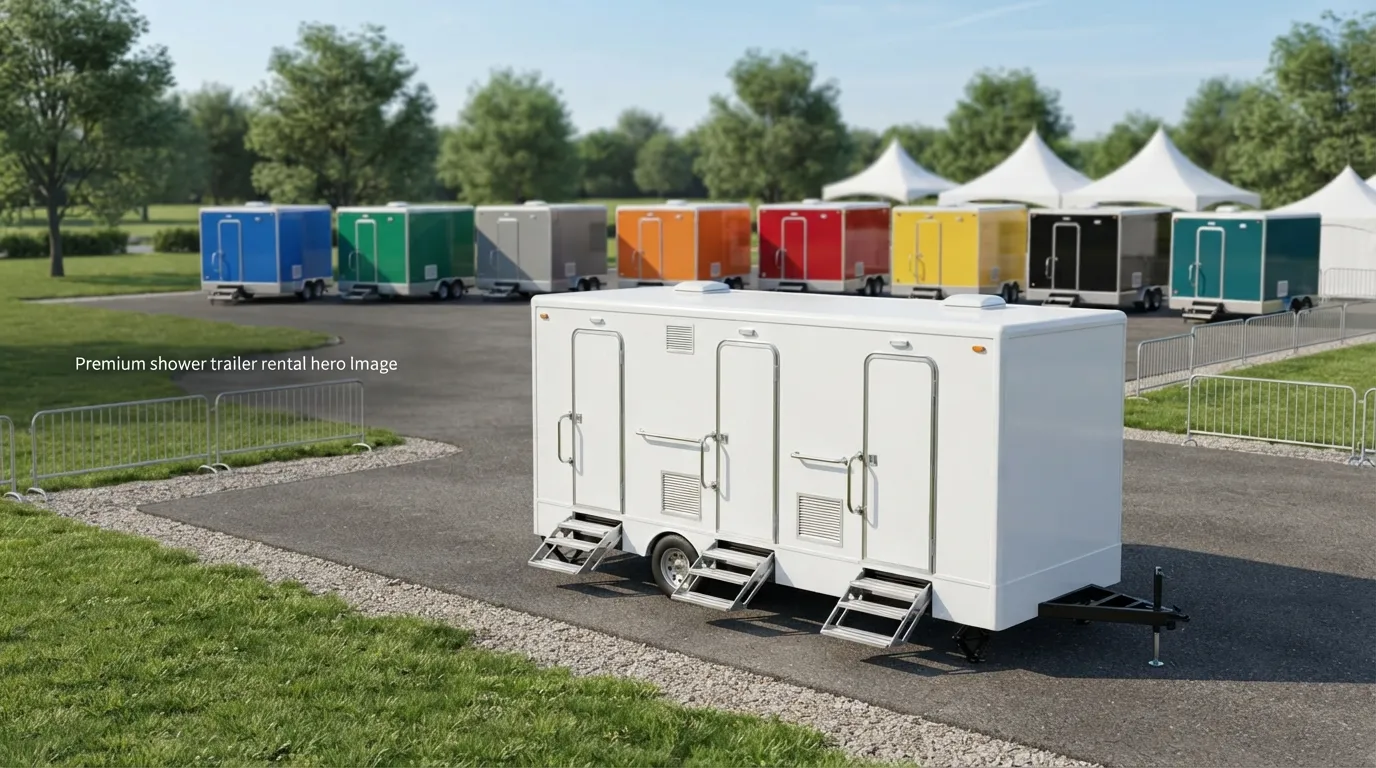
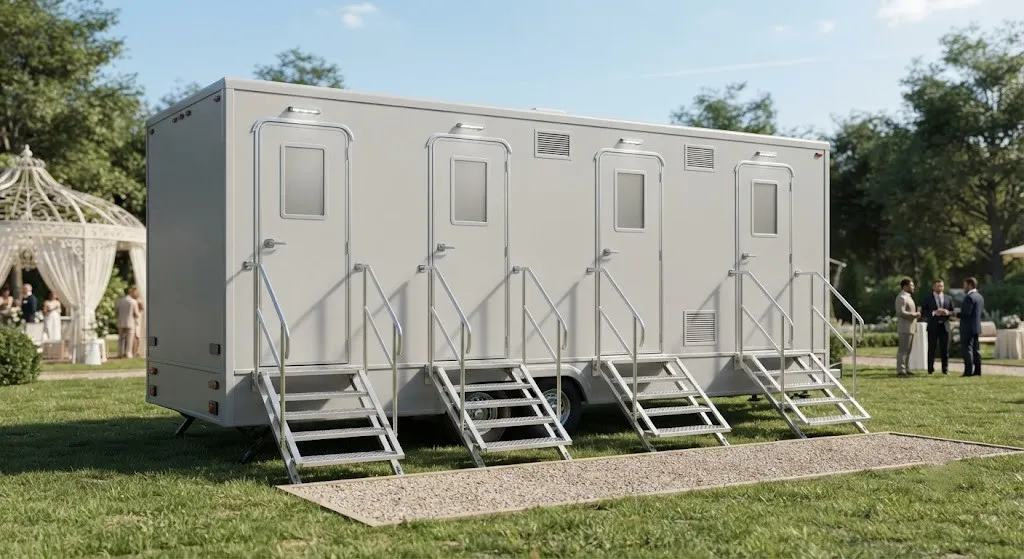
A porta potty is a single sealed unit with no running water unless it is a deluxe model. A restroom trailer rental has multiple stalls, flushing toilets, and sinks connected to onboard tanks, closer to a real bathroom, and costs more per day than a standard unit.
Next step
Get a delivery date
Tell us the address, the dates and the headcount. We size the order and confirm the route.