
How Often Does a Septic Tank Need Pumping?
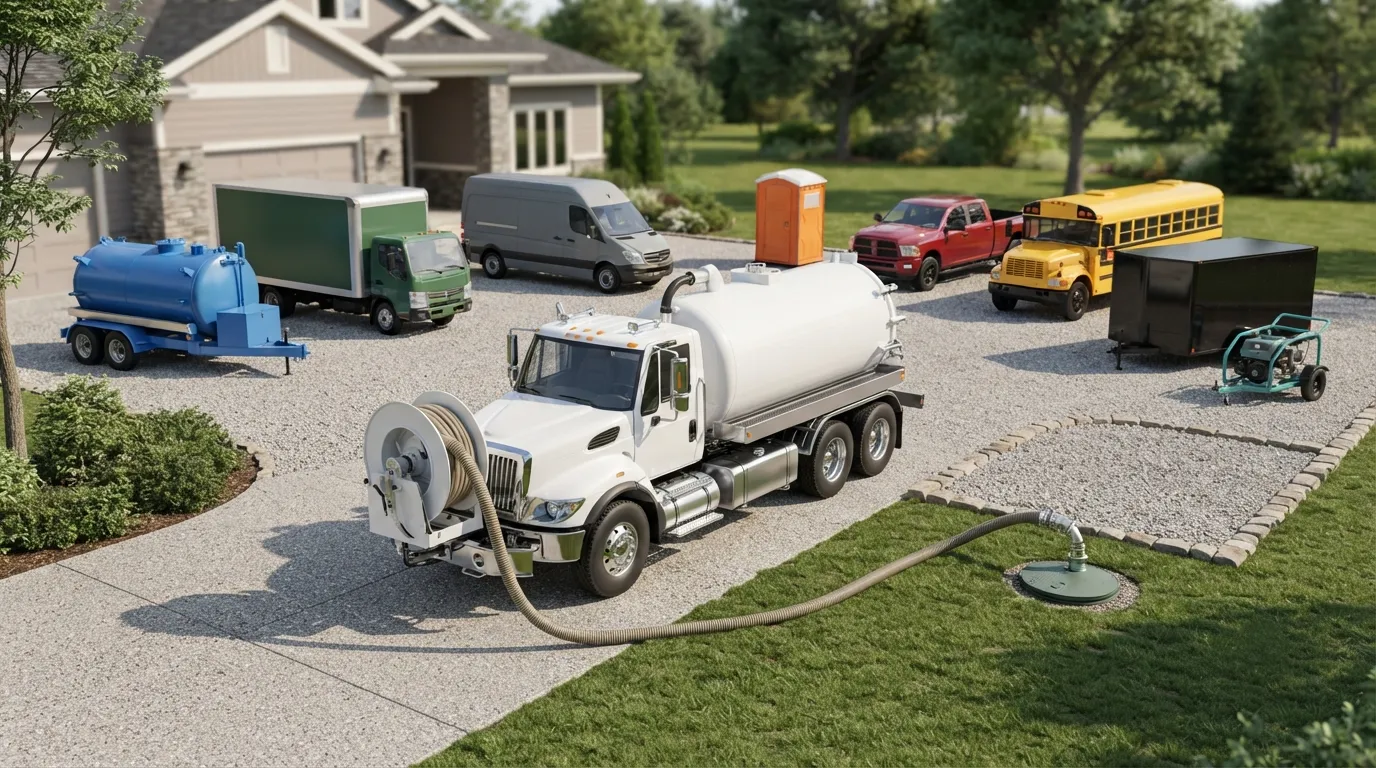
The honest answer is: it depends, and 3 to 5 years is the range, not a rule. A 1,000 gallon tank serving two people stretches longer than the same tank serving six. Conway Porta Pros looks at household size, tank size and water use before setting your interval. If you want the fuller breakdown on what drives that number, our septic pumping frequency guide walks through it. Homes on well water tend to pump differently than city water households because usage patterns differ. New to septic and not sure what "normal" looks like? Start with septic pumping service basics before you worry about schedules, and compare notes with septic tank cleaning if your issue looks more like buildup than a full tank. Skipping pumping does not save money. It just moves the cost to a repair bill, and those run higher than a routine visit ever will.
What Are the Warning Signs a Septic Tank Needs Pumping?
Slow drains, gurgling pipes and a wet patch over the drain field are the three signs Conway homeowners report most. If more than one shows up at once, do not wait. Standing water near the tank lid, a sewage smell outside, or toilets that back up when you run the washer all point the same direction. Our septic tank warning signs page covers each one in more depth. Waiting past these signs risks backup into the house, which costs far more to clean up than pumping does. Conway sits on clay-heavy soil in spots, and a slow drain field shows symptoms faster here than in sandy ground. If your system is a straight holding tank instead of a leach field setup, that changes the signal, and our holding tank rental page explains that distinction. Emergency situations get bumped to the front of the schedule; see emergency septic service for how that works.
What Does a Septic Pumping Service Include?
A standard visit includes locating the tank, opening the lid, pumping the solids and liquid, and a quick visual check of the baffles and walls. Conway Porta Pros also checks lid condition and flags anything that looks like early damage. This is not a random walk through your yard. It follows ANSI/PSAI Z4.3, the industry standard for portable and pumped sanitation service intervals, which sets a baseline service cadence that residential systems mirror. We note tank fill level, sludge depth and any root intrusion before we leave. If you are managing this as part of a larger property job, a construction dumpster rental or roll-off dumpster rental often lands on the same site visit list. Restaurant and commercial kitchen customers should also ask about grease trap pumping, since a grease interceptor gets pumped once fats, oils, grease and solids reach 25 percent of the liquid depth, a different trigger than a residential tank.
How Much Does Septic Tank Pumping Cost?
A septic pumping visit in Conway runs $150 to $300 for a standard day-rate service call, with most jobs landing near the middle of that band. Weekend calls run lower, from $50 to $150, because they're often smaller follow-up visits rather than full pump-outs. Tank size, access and how much solid material has built up all move the price within that range.
| Service | Typical Price Range |
|---|---|
| Standard pumping visit (day) | $150 - $300 |
| Weekend service call | $50 - $150 |
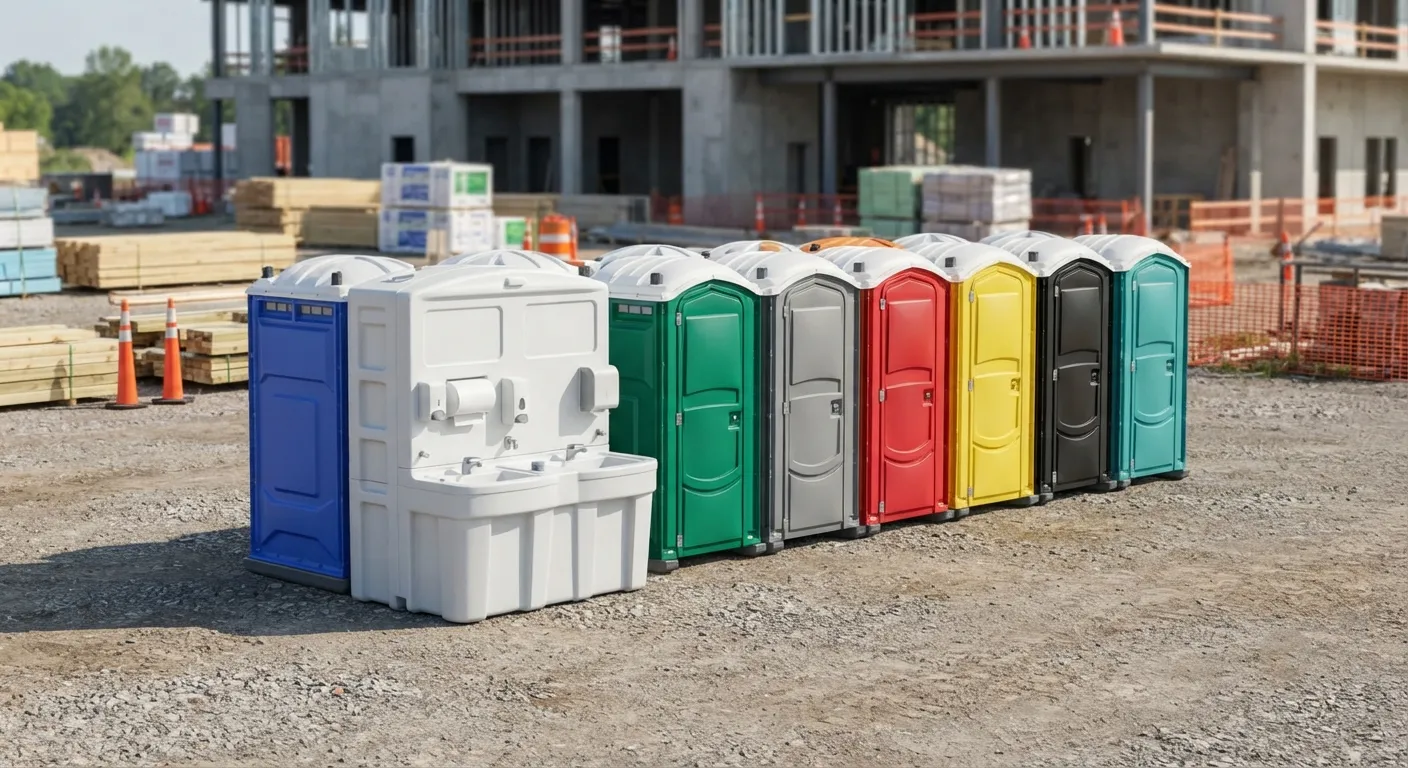
For the full cost breakdown by tank size and condition, see septic tank pumping cost. If your system backs up between scheduled visits, emergency septic service covers that gap. Homeowners comparing septic to other wastewater options for a temporary situation, like a construction trailer or event site, should look at porta potty rental cost or porta potty rental per day instead, since those solve a different problem than a fixed home septic system.
Do You Offer Holding Tank Service?
Yes. A holding tank is different from a septic tank with a drain field. It has no leach field at all, so it fills and needs pumping on its own schedule rather than the 3 to 5 year window a standard tank runs on. Conway Porta Pros services holding tanks for cabins, remote job sites and properties without a functioning leach field. Our holding tank rental page covers setup for sites that need one installed rather than serviced. This comes up often on farm properties too; see farm and agricultural restrooms for how sanitation gets handled on working land, since OSHA 1928.110 sets field sanitation standards, including potable water, toilets and handwashing, for hand-labor employees at one facility per 20 workers within a quarter mile walk. Job sites running crews under general construction rules should check OSHA portable toilet requirements as well, since OSHA 1926.51(c) sets its own toilet ratio table for construction workers.

Do You Provide Emergency Septic Pumping?
Yes, and response is fast because a backed-up tank does not wait for a convenient appointment. Conway Porta Pros runs emergency calls for full tanks, backups and failed pumps across Conway and into Mayflower, about 10.9 miles south, and Menifee, roughly 11.0 miles northwest. We also reach Greenbrier, 15.4 miles northeast, and Maumelle, 20.6 miles south, along with Roland at 29.9 miles south. See emergency septic service for what counts as urgent versus what can wait for a scheduled visit. If your emergency is really a portable sanitation gap during a septic repair, an emergency porta potty rental bridges that gap until the tank issue is fixed. Check service areas for the full coverage map, or go to contact directly if water is already backing up.
How much does it cost to pump a 1,000 gallon septic tank?
A 1,000 gallon tank is the most common residential size, and pumping typically falls in the $150 to $300 day-rate range depending on access and buildup. Tanks with heavy sludge or hard-to-reach lids run toward the higher end. See septic tank pumping cost for size-based detail.
How do I know if my septic tank needs pumping now?
Slow drains, gurgling pipes, standing water over the tank or drain field, and sewage odor outside are the clearest signs. If you see more than one, call rather than wait. Our septic tank warning signs page lists the full set.
What is the difference between septic pumping and septic cleaning?
Pumping removes liquid and solids from the tank. Cleaning goes further, scraping accumulated sludge off tank walls and baffles. Most routine visits are pumping; cleaning comes up when a tank has gone years past its interval. See septic tank cleaning.
Can I use my toilets during septic pumping service?
Not during the visit itself. The technician needs the tank isolated while pumping, which usually takes under an hour for a standard residential tank. Normal use resumes once the truck leaves and the lid is resealed.
Do holding tanks need pumping more often than septic tanks?
Often yes, since a holding tank has no drain field to disperse liquid. It fills entirely and needs pumping on a usage-based schedule rather than the 3 to 5 year window typical of a standard tank. See holding tank rental for setup options.
Does Conway Porta Pros handle grease trap pumping too?
Yes. Grease interceptors get pumped once fats, oils, grease and solids reach 25 percent of the liquid depth, a different threshold than residential septic tanks use. Restaurants and commercial kitchens in Conway should check grease trap pumping for that schedule.
Next step
Get a delivery date
Tell us the address, the dates and the headcount. We size the order and confirm the route.